On January 18, U.S. citizen ChongLy “Scott” Thao became the latest flashpoint in America’s immigration wars. ICE agents in St. Paul, Minn., acting under 8 U.S.C. § 1357(a)(1)—which authorizes brief detentions for identity verification based on reasonable suspicion of alienage—forced entry into Thao’s home after he refused to open the door.
Critics allege that agents detained the 56-year-old Hmong immigrant-turned-citizen at gunpoint, marching him outside in underwear, sandals, and a blanket amid subzero temperatures. The New York Times reported that Thao was only released after an hour of questioning and photography in a “remote location,” further coloring the story with imagery of a broken door and no apology.
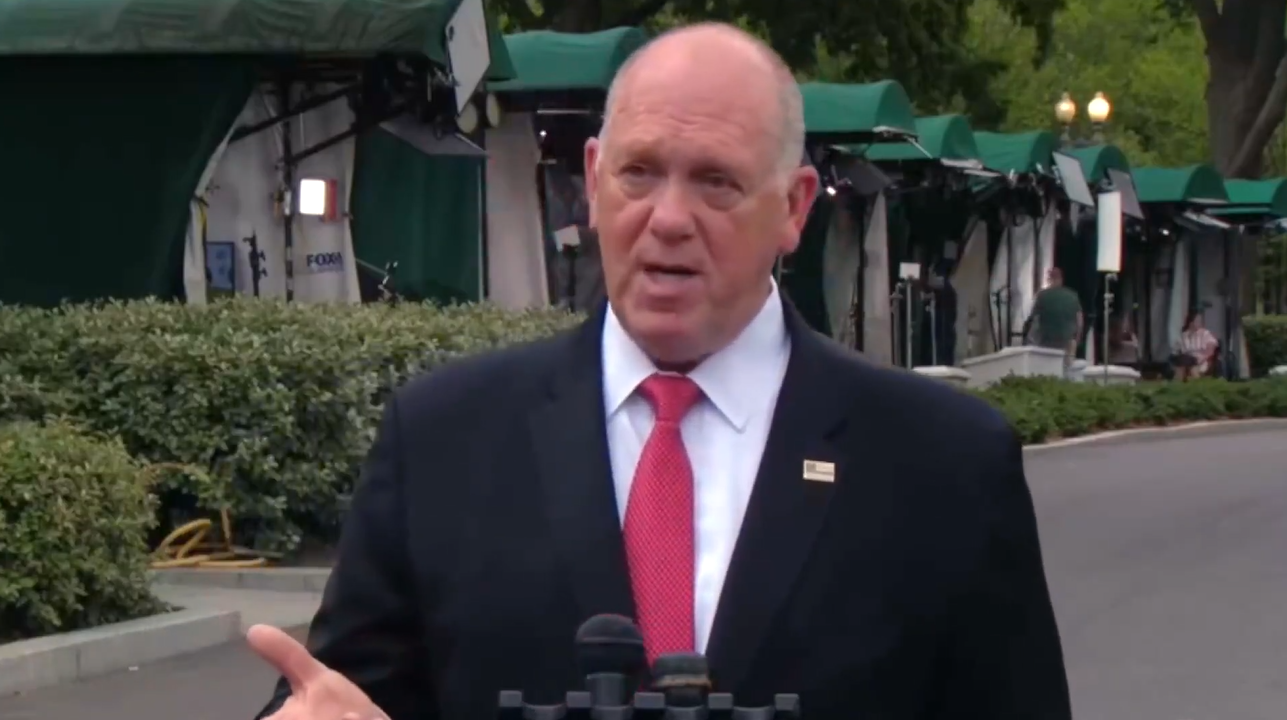
Correcting the record on Fox Live, Border Czar Tom Homan explained that agents were conducting a targeted arrest of two sex offenders believed to be at the address. Thao, instructing his family not to cooperate or answer the door, also refused to verify his identity, cooperate with fingerprint, or facial recognition scans. As a result, Homan says agents briefly detained Thao, verified his identity, and checked for interagency warrants before releasing him. All of which falls firmly within the scope of DHS’s authority under title 8.
8 U.S.C. § 1357(a)(5)(A): Authorizes designated immigration officers to make warrantless arrests for any offense against the United States. This applies regardless of citizenship
Had Scott Thao opened the door and calmly cooperated with agents, however, there would be no headlines, no GoFundMe, and no possibility of an Equal Access to Justice Act payout for NGOs like the ACLU—a major contributor to the Democratic party.
While humiliating, this ordeal didn’t happen in a vacuum. Activist groups like the ACLU and the National Immigration Law Center, alongside partisan Democrats, have long circulated “Know Your Rights” advice urging non-cooperation: don’t open doors, remain silent, you’re not required to identify yourself.
Civil disobedience comes with a price. Yet, as outlined in activist playbooks like “Beautiful Trouble,” those who follow such guidance trigger the intended outcome by escalating routine checks and amplifying perceptions of brutality.
“Remember that there is no right audience, just the audience that is right for your particular goals. Try this basic formula: we can get A to do B if they believe C. A is your audience, B is your objective, and C is your message. Design your action or actions toward getting A to believe C,” reads the Beautiful Trouble playbook.
Homan has repeatedly warned against these tactics. “The hateful rhetoric has caused a lot of this violence,” Homan stated in a January 11, 2026, interview, predicting bloodshed if anti-ICE vitriol persists, while emphasizing that 70% of ICE arrests target criminals.
The situation in Minnesota has also been exacerbated by a recent ACLU-backed legal opinion from Attorney General Keith Ellison—preventing “racist” sheriffs from maintaining cooperative agreements with ICE.
Yet, incidents like Thao’s—fueled by larger agendas—generate viral videos, protests, and lawsuits, benefiting activists amid Trump’s February 1, 2026, halt on federal grants to “sanctuary” jurisdictions and NGOs.
Critics argue this is no accident—it’s a strategy to manufacture martyrs, rallying public outrage for political leverage and financial windfalls, especially as the Trump administration slashes NGO funding—halting a major DNC funding mechanism ahead of the midterms.
Financially, these clashes pay off. Groups secure EAJA attorney fees – even when findings are null – reimbursing costs and sustaining operations as government grants dry up.
According to ACUS.gov – the government source disclosing award amounts – the ACLU has won over $3 million dollars from suing DHS since 2021—fundamentally altering the law outside of elected legislative bodies through settlements and consent decrees.
Since Trump’s January 2025 inauguration, NGOs like the ACLU, NILC, and various labor unions have filed multiple high-profile lawsuits against DHS, with hundreds of legal actions that have the potential to end in consent decrees with high award pay outs.
Meanwhile, Thao’s family quickly launched a GoFundMe, raising funds for trauma recovery and potential litigation. Politically, martyrs like Thao energize the left’s base, framing enforcement as “Gestapo” tactics to pressure midterms and policy shifts.
While ICE’s authority under § 1357 is clear for targeted operations, activist-driven non-compliance turns citizens into pawns—symbols of a struggle session that justifies mob rule.
Anti-ICE protesters are literally demanding pedestrians prove they aren't federal agents.
That's a checkpoint.
That's stop-and-identify.
That's exactly what they call fascism when ICE does it.
But when it's their side? It's "activism".pic.twitter.com/HfelDkw6SK
— Mario Nawfal (@MarioNawfal) January 20, 2026
As Homan noted, this rhetoric risks more “bloodshed,” but for NGOs facing defunding, the gains – donations, fees, public perception and votes – outweigh the human cost. In 2026’s polarized landscape, individual risks offer high rewards for the collective agenda.