A federal appeals court has allowed the Trump administration to continue deporting migrants to third countries while an ongoing legal challenge over the policy proceeds.
In a 2-1 decision, the U.S. Court of Appeals for the First Circuit ruled that the administration may continue carrying out so-called third-country removals as the case moves forward through the courts.
The ruling lifts restrictions previously imposed by U.S. District Judge Brian Murphy, who had blocked the policy and required migrants to have an opportunity to contest deportation to countries with which they may not have ties. Murphy’s order also required the government to first attempt to return a migrant to their country of origin before pursuing alternative destinations.
The appeals court decision allows the policy to remain in effect during the litigation, though the court indicated it would move quickly to consider the merits of the case.
Judge Jeffrey Howard, an appointee of George W. Bush, and Judge Seth Aframe, appointed by Joe Biden, formed the majority. Judge Lara Montecalvo, also appointed by Biden, dissented.
The case centers on whether federal immigration authorities can remove individuals to countries other than their country of citizenship when those nations are unwilling or unable to accept them.
Federal officials have said the policy is used in cases where migrants cannot be returned to their home countries, according to international reporting. Authorities have also said some individuals subject to third-country removals have prior criminal convictions.
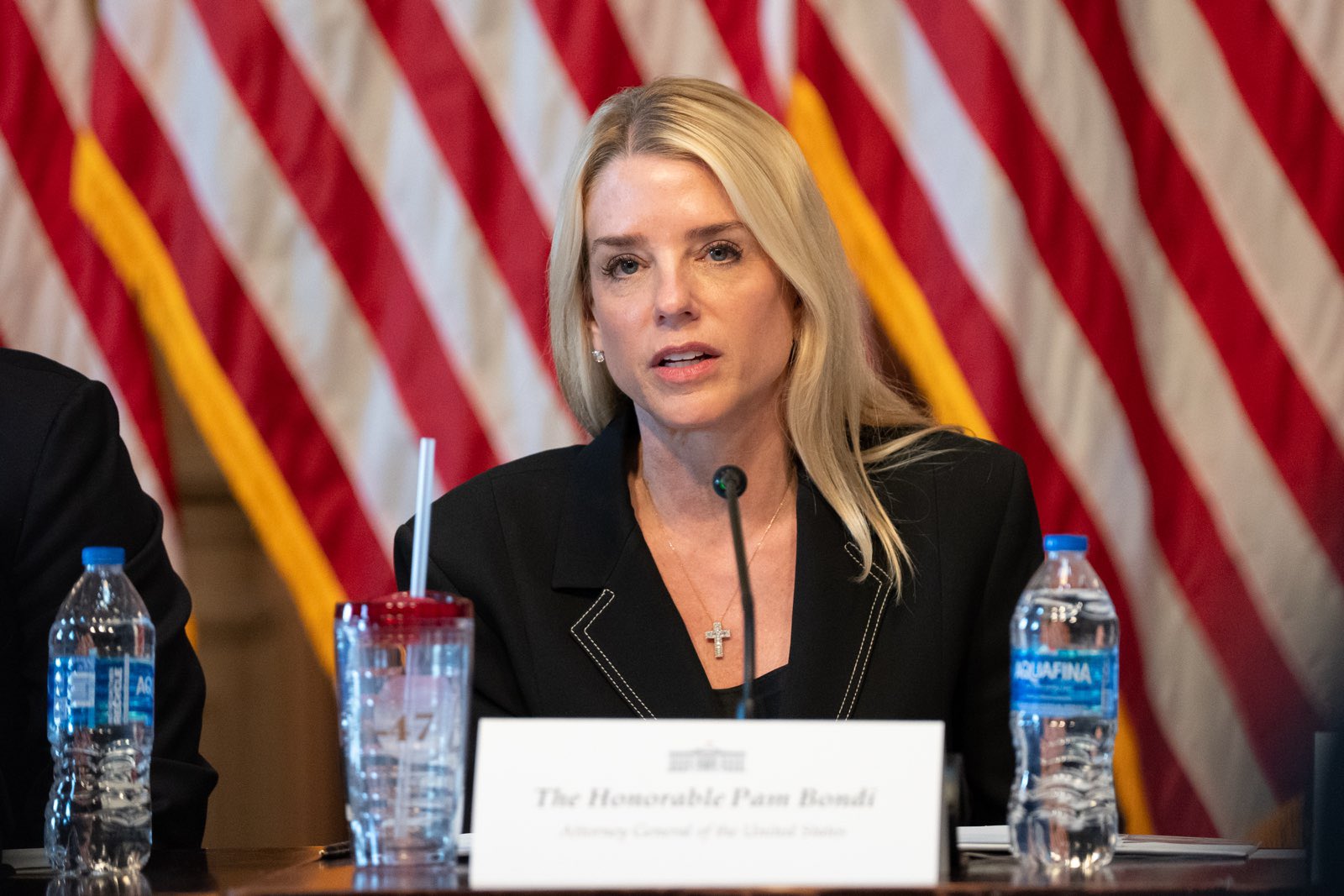
Attorney General Pam Bondi said the ruling allows the administration to continue enforcing the policy while the legal challenge continues.
“New legal victory: the First Circuit just ruled that the Trump Administration can continue deporting illegal aliens to third countries,” Bondi wrote in a statement on social media.
New legal victory: the First Circuit just ruled that the Trump Administration can CONTINUE deporting illegal aliens to third countries.
There is more work ahead on this important issue, but this is a key win for @POTUS’s immigration agenda.@thejusticedept attorneys will…
— Attorney General Pamela Bondi (@AGPamBondi) March 16, 2026
The legal dispute has drawn criticism from immigration advocacy groups, who argue the policy could expose individuals to risks if they are sent to countries where they have no established connections. Advocates have also raised concerns about whether migrants are given sufficient opportunity to challenge such removals.
During earlier proceedings, federal attorneys argued that additional procedural requirements could delay removals and complicate enforcement efforts. The district court had previously raised concerns about whether individuals were provided adequate notice and due process protections.
The issue has already reached the U.S. Supreme Court, which previously allowed the administration to pause certain lower court restrictions on the policy. Legal observers expect further review as the case continues.
For now, the appeals court decision allows federal authorities to continue third-country deportations while the broader legal questions surrounding the policy are considered in court.