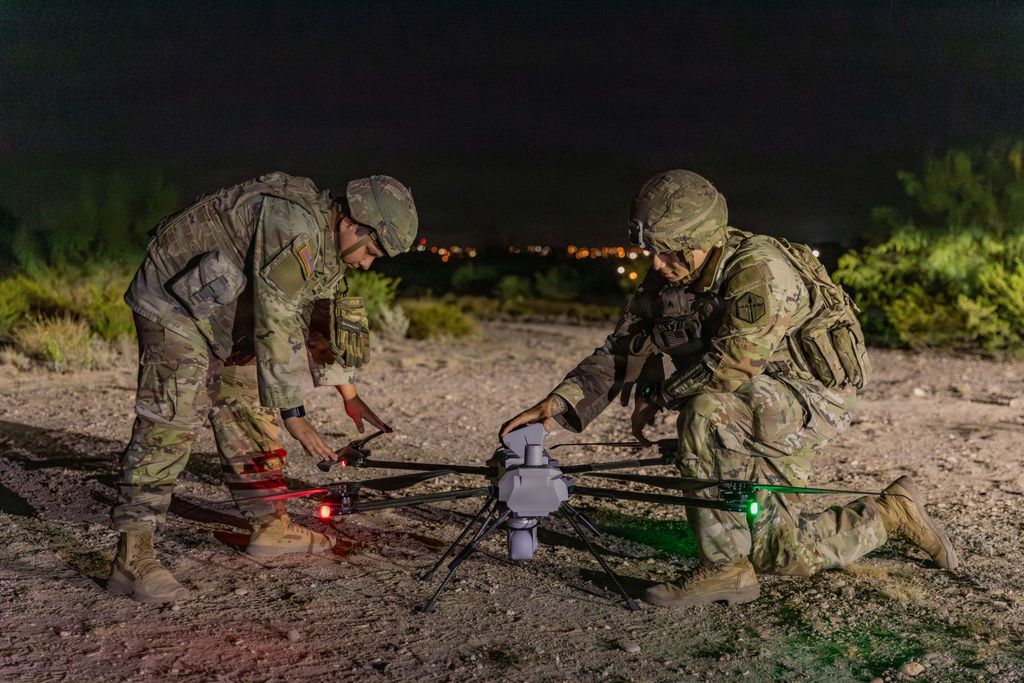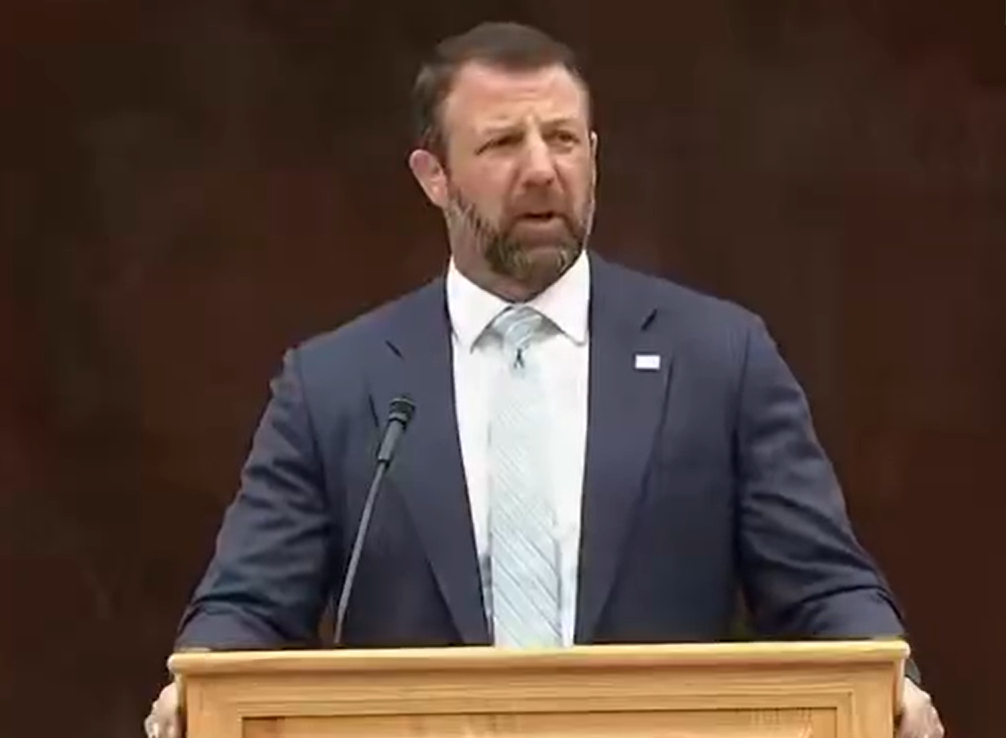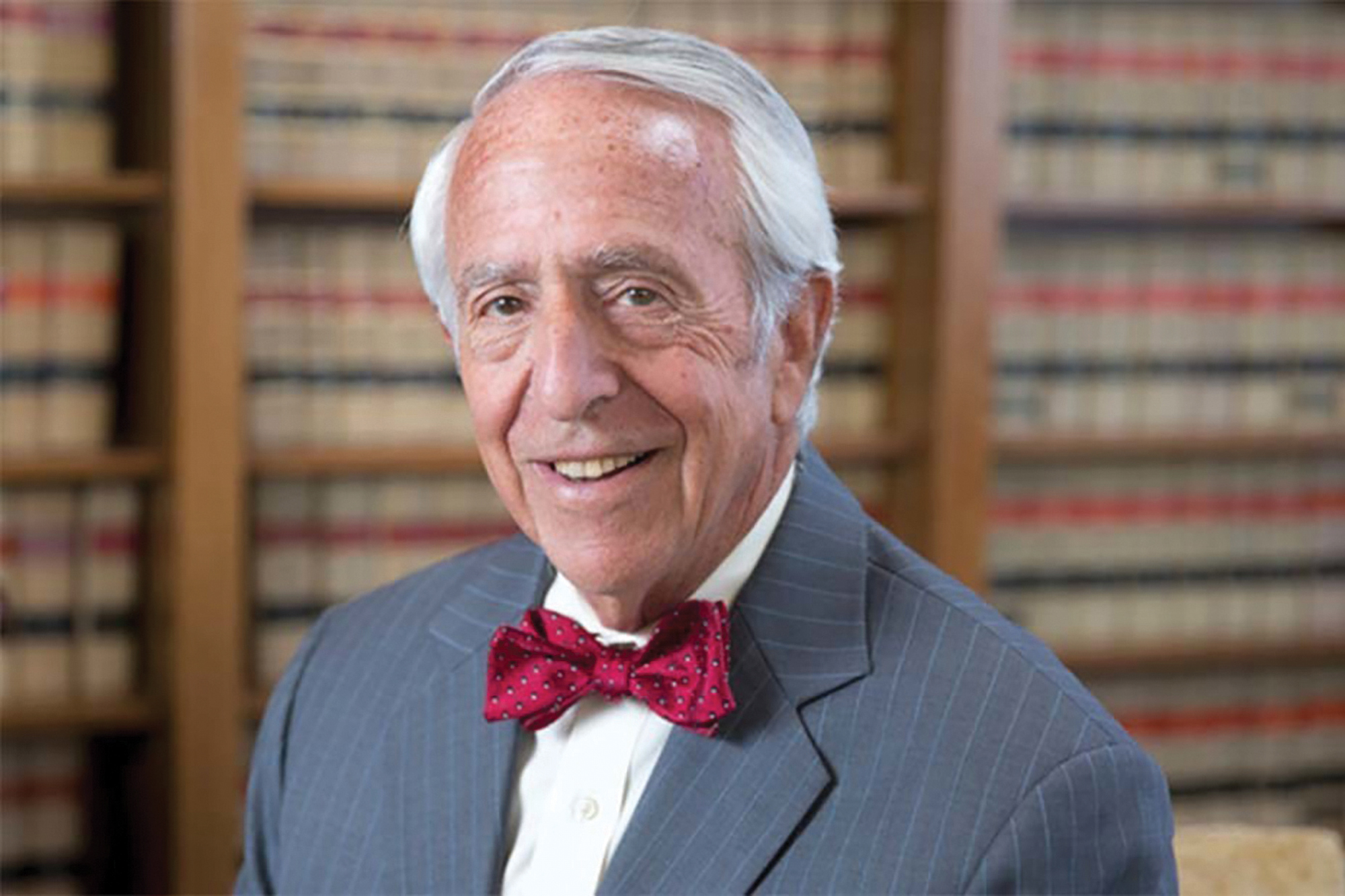
A federal judge in California has ruled President Donald Trump broke the law when he deployed National Guard troops to Los Angeles to help restore order amid anti-ICE protests earlier this summer.
U.S. District Judge Charles Breyer said Trump violated the Posse Comitatus Act, which limits the federal government’s power to use military force for domestic matters. His order prohibits troops from engaging in security patrols, riot control, arrests, searches, and crowd control.
Breyer’s decision is the latest by an activist judge to block the Trump administration’s nationwide crackdown on crime and illegal immigration. Breyer’s order doesn’t take effect until Sept. 12, and the judge paused his injunction until then to give the federal government time to appeal.
White House spokeswoman Anna Kelly said that “a rogue judge is trying to usurp the authority of the Commander-in-Chief to protect American cities from violence and destruction,” the BBC reported.
In response to Breyer’s ruling and a X post by California Gov. Gavin Newsom, Bill Essayli, a prosecutor for the Department of Justice wrote on social media that “the military will remain in Los Angeles. This is a false narrative and a misleading injunction.”
DONALD TRUMP LOSES AGAIN.
The courts agree — his militarization of our streets and use of the military against US citizens is ILLEGAL. pic.twitter.com/rDq1Li5fug
— Gavin Newsom (@GavinNewsom) September 2, 2025
The military will remain in Los Angeles. This is a false narrative and a misleading injunction. The military has never engaged in direct law enforcement operations here in LA. They protect our federal employees our properties so our federal agents can safely enforce federal laws… https://t.co/uNSFoXrxWb
— Acting U.S. Attorney Bill Essayli (@USAttyEssayli) September 2, 2025
The timing also coincides with Trump’s use of National Guard troops to help curb violence in Washington, D.C., a move aided by several Republican governors and supported by many DC residents.
Trump has threatened to deploy the guard to other Democratic-led cities that are plagued by violence and harbor illegal immigrants due to sanctuary city policies.
In response to the decision, Trump said that he may send the troops back into Los Angeles, arguing that the governor there is “very weak,” and needs his help, the BBC reported.
“He’s going to need us again, because it’s starting to form again. I see it,” Trump said in an event at the White House. He also argued that the 2028 Olympic Games in LA would have been cancelled if not for his military deployment.
Despite backlash from the usual leftists who protect criminals and illegals, Trump has said he wants to send troops to Oakland as well as Chicago and New York to help get crime under control. Over the Labor Day weekend, ABC7 Chicago reported that at least 58 people were shot—eight of them fatally.
“We’re going in,” Trump told reporters when asked about Chicago after the judge’s LA ruling was announced. “I didn’t say when, but we’re going in.”
Breyer issued the ruling Tuesday in a 52-page opinion that chastised the president’s belief that he has the unchecked powers to send the military into U.S. cities.
The threats to send armed forces to other U.S. cities prompted Breyer to write that Trump is “creating a national police force with the president as its chief,” CalMatters reported.
“There were indeed protests in Los Angeles, and some individuals engaged in violence,” Breyer, the judge overseeing the trial, wrote. “Yet there was no rebellion, nor was civilian law enforcement unable to respond to the protests and enforce the law.”
Breyer’s decision stems from a lawsuit filed by California’s Newsom, the first plaintiff in the trial, who said Trump did not have the authority to activate the National Guard against his wishes in June to quell anti-ICE rioters and protect federal buildings in Los Angeles.
If it takes effect, Breyer’s decision permanently enjoins the Trump Administration from engaging in the same or similar activity in the future. The administration is expected to appeal against the ruling.
The order effectively blocks the military from engaging in “arrests, apprehensions, searches, seizures, security patrols, traffic control, crowd control, riot control, evidence collection, interrogation, or acting as informants, unless and until” the administration presents valid constitutional or legal exceptions, Breyer wrote.
A panel of judges in the 9th Circuit Court of Appeals in June blocked an earlier Breyer decision that favored California, CalMatters reported. That challenge sought to control of California’s National Guard contingent to Newsom, after Newsom alleged Trump had unlawfully circumvented him to deploy the troops.
Essayli added on X: “The military has never engaged in direct law enforcement operations here in LA. They protect our federal employees, our properties, so our federal agents can safely enforce federal laws in the face of the thugs being unleashed and encouraged by state and local politicians.”
Breyer’s decision supports the arguments California Attorney General Rob Bonta’s legal team made during a three-day trial held in August.
California’s lawsuit, filed in the U.S. District Court for the Northern District of California, challenged the unlawful use of federalized California National Guard troops and Marines for civilian law enforcement in Los Angeles.
They maintained Trump’s order to call up 700 U.S. Marines and 4,000 National Guard soldiers in response to violent protests in Los Angeles violated the Posse Comitatus Act.
After the ruling, Bonta wrote in a news release that it “affirms that President Trump is not king, and the power of the executive is not boundless.”
Bonta said that Trump’s use of the military “trampled on one of the very basic foundations of our democracy” and defied a core principle that the armed forces be “apolitical and the activities of troops on U.S. soil be extremely limited to ensure civil liberties and protect against military overreach.”
Newsom, who relentlessly trolls Trump on social media as many believe he is gearing up for a 2028 presidential run, wrote in a statement that “Trump is breaking the law by trying to create a national police force with himself as its chief.”
Fewer than 300 National Guard troops remain in Los Angeles, though the Department of Defense issued a new activation order to deploy troops in California for another 90 days on Aug. 5.
Hours after Breyer’s ruling, Bonta filed new paperwork asking the judge to return the remaining National Guard troops to California’s command under Newsom, CalMatters reported.
California lawyers pointed to language in their legal briefs, arguing that having National Guard assist federal immigration agents counts as law enforcement duties, which federal statute and Department of Defense guidance prohibit. That guidance said armed forces cannot do the following: “Evidence collection; security functions; crowd and traffic control; and operating, manning, or staffing checkpoints.”
Federal Department of Justice attorneys have argued their current duties don’t count as law enforcement. They also said California was wrong to sue over the Posse Comitatus Act in a civil court because that act is a criminal statute, not civil.
The Posse Comitatus Act was established in 1878 by Congress, making it illegal to use the military for civilian law enforcement. The Act has deep roots in American tradition, going back to the founding of our country, when the British King used his military to police the Colonies.