A federal appeals court has granted the Trump administration a legal victory in its effort to terminate Temporary Protected Status for nationals of Honduras, Nicaragua, and Nepal, allowing the Department of Homeland Security to move forward with ending the long-standing designations.
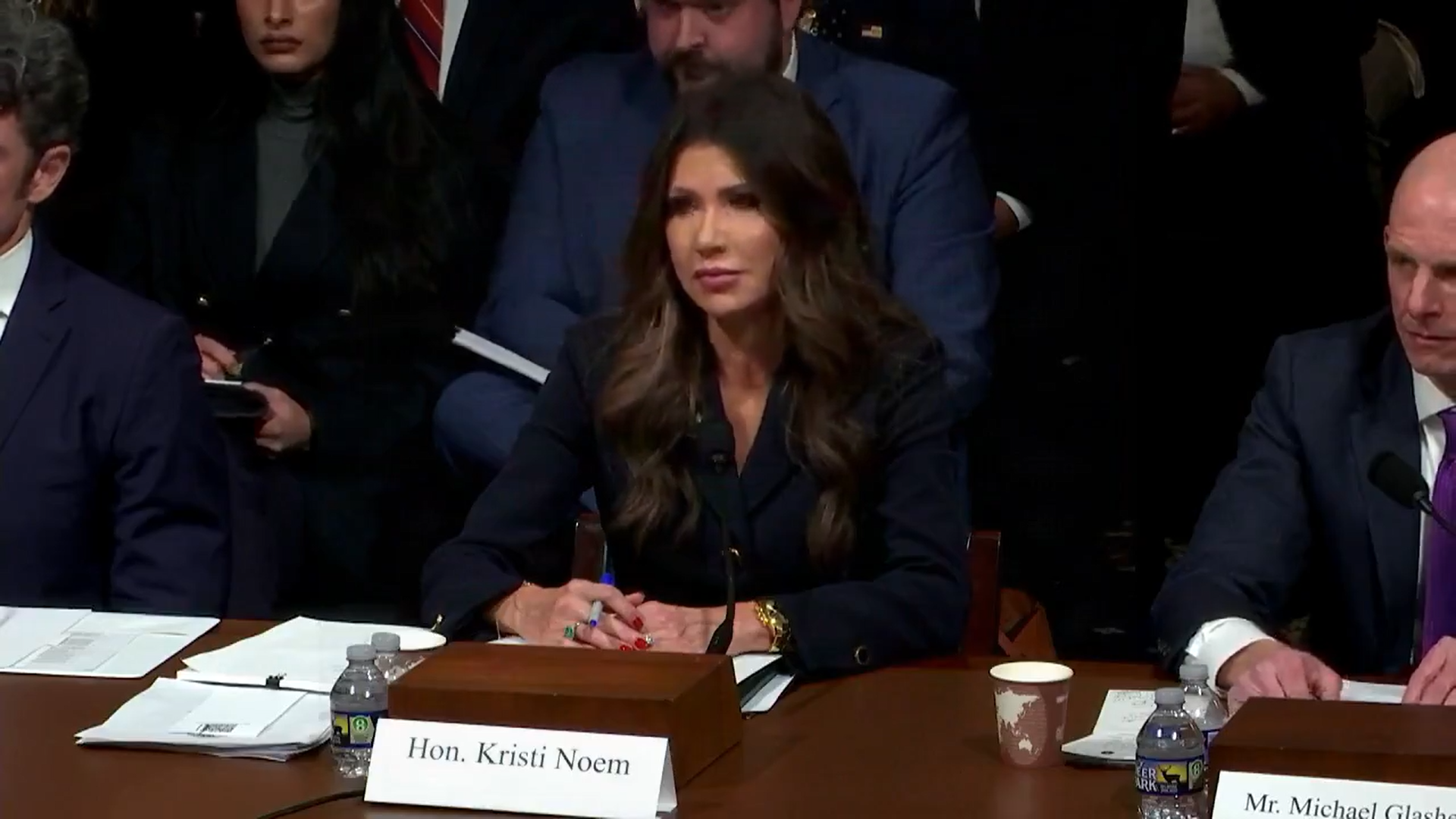
The U.S. Court of Appeals for the Ninth Circuit issued a stay of a lower court ruling that had blocked DHS Secretary Kristi Noem’s decision to end the protections. The appeals court found the government is likely to succeed in defending the move, concluding that the secretary’s decision-making process was not “arbitrary or capricious,” according to court documents.
Temporary Protected Status, or TPS, allows nationals of designated countries to remain and work in the United States if conditions in their home countries are deemed unsafe due to armed conflict, environmental disaster or other extraordinary circumstances. Honduras and Nicaragua were first designated for TPS following Hurricane Mitch in 1998, while Nepal received the designation after a major earthquake in 2015.
In summer 2025, Noem announced the termination of TPS for the three countries, citing improved conditions and stating that the original temporary designations were no longer warranted.
“A win for the rule of law and vindication for the U.S. Constitution,” Noem said in a statement following the appeals court decision. She added that TPS “was never designed to be permanent,” and that the administration was concluding what had been intended as temporary relief.
The termination decision was previously challenged by the National TPS Alliance, which argued the move violated the Administrative Procedure Act. On Dec. 31, 2025, a federal district court judge in San Francisco sided with the plaintiffs and vacated the termination order. The Ninth Circuit’s stay now allows the administration to proceed while litigation continues.
Attorney General Pam Bondi also commented on the ruling, writing that the court found the government is “likely to prevail” in its argument that ending TPS for certain countries is lawful policy.