A federal judge has temporarily blocked Virginia from enforcing its new mask ban targeting federal immigration enforcement on the grounds it’s an unconstitutional attempt to regulate federal agents.
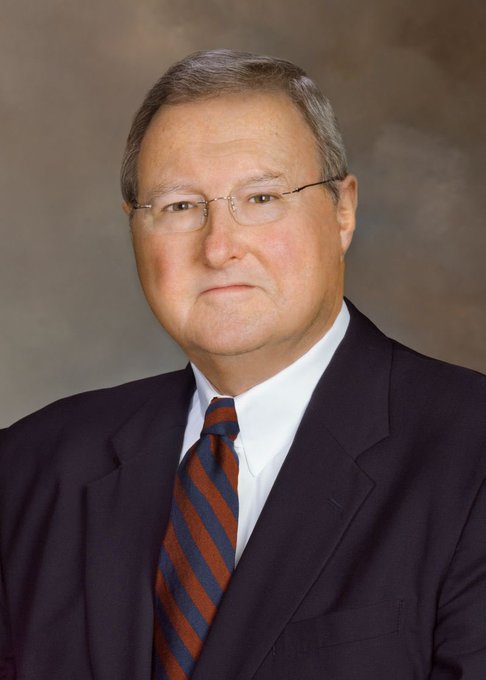
Judge Robert E. Payne issued a preliminary injunction on June 30 against Virginia’s new law that sought to bar U.S. Immigration and Customs Enforcement and other federal law enforcement officers from wearing masks while on duty.
Payne issued the injunction within 12 hours of when the ban was set to take effect on July 1. He ruled that, at least for now, federal agents do not have to comply with the new law.
Payne is the latest judge to side with Trump administration officials and strike down state and local laws targeting ICE agents amid a national debate over masked agents carrying out arrests.
The judge also blocked part of the law that ordered federal officers to wear a badge or other identifying information while carrying out their duties. ICE officials noted in arguments that an appellate court previously blocked a California law requiring officers to wear visible identification.
BREAKING: Bush-appointed U.S. District Judge Robert Payne just BLOCKED Virginia from enforcing new law that bans ICE agents from wearing masks pic.twitter.com/P5ZnWAA08U
— Libs of TikTok (@libsoftiktok) July 1, 2026
In his 40-page opinion made available July 2 online, Judge Payne ruled in favor of the U.S. Department of Justice and reasoned that Virginia’s law violates federal immunity because it “directly regulates the conduct of federal law enforcement.” The injunction will remain in place until the case is resolved.
Similar laws trying to prohibit law enforcement from wearing masks in California, New York, New Jersey, and Philadelphia have been blocked from going into effect as lawsuits make their way through the courts.
The anti-masking laws have been halted on similar grounds across the country, with judges’ ruling the laws violates the intergovernmental immunity doctrine, as well as the Supremacy Clause of the U.S. Constitution.
Payne also noted, “There is evidence that enforcement of the Mask/Identity statute would expose federal employees to real risk of physical harm in, and in connection with, the discharge of their duties when enforcing federal immigration law and policy.”
Virginia’s Democratic-controlled General Assembly passed the measures and Democrat Gov. Abigail Spanberger signed Senate Bill 352 and House Bill 1482 into law. The legislation prohibits any law enforcement officer — local, state and federal — from wearing a facial covering while carrying out their official duties in Virginia, with some exceptions.
The Trump administration sued Virginia, along with several other states, to stop the mask bans targeting federal law enforcement.
In their anti-masking crusade, Democratic officials have demonized federal agents and described them as “Nazi secret police.”
ICE officials maintain that they wish masks weren’t necessary, but that federal agents have faced hostile demonstrators, as well as physical attacks and online doxxing.
The anti-ICE hostility is particularly strong in Democrat-controlled cities and states and fomented by local officials, immigrant rights advocates and violent agitators. Officers feel the need to shield their identities to protect themselves and their families, according to ICE officials.
On a legal basis, the Justice Department has argued the state laws restricting masks are unconstitutional and an illegal attempt to regulate the federal government. They infringe on federal agents’ ability to carry out their duties.
“As alleged in the complaint, the law threatens the safety of federal officers who have faced an unprecedent[ed] wave of harassment, doxing and even violence,” the DOJ said in a June 11 press release.
Associate Attorney General Stanley Woodward added that Spanberger “cannot tell federal officers how to do their job.”
Payne agreed on both issues, saying Virginia’s law constitutes direct “regulation of federal agents enforcing immigration law,” which violates the supremacy clause by regulating the performance of federal functions and how they do their jobs.
In addition, Payne said ICE agents have experienced an uptick in threats and targeted harassment “for simply doing their jobs.” He wrote that these “practical realities” are why the federal government chose to allow ICE agents to wear masks.
Virginia Attorney General Jay Jones, a Democrat, issued a statement saying the AG’s office “strongly disagrees with Judge Payne’s order and will continue defending this important law.” Jones did not immediately state whether he would appeal the injunction or seek a stay.
“We remain steadfast in our mission to support law enforcement, keep Virginians safe and protect every Virginian’s right to the transparent administration of the law,” Jones said in a statement.
The Justice Department is also seeking to block a new Virginia law that invalidates cooperation agreements under the Immigration and Nationality Act between state and local law enforcement and ICE. Payne set a hearing on the matter for Aug. 3.
In February, a federal judge in Los Angeles halted a California state law that bans federal officers from wearing masks while on duty. The U.S. Department of Justice in April sued in federal court in New Jersey to block a similar law there.
On July 2, U.S. District Judge Chad Kenney also issued a preliminary injunction barring the city of Philadelphia from enforcing key provisions of an anti-masking law. The judge ruled the city cannot dictate how federal agents conduct operations.