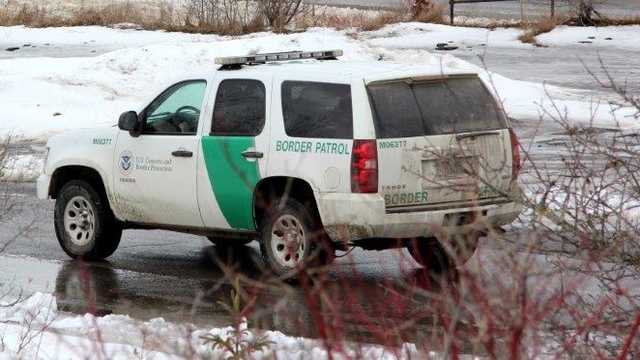
The U.S. Border Patrol’s Big Bend Sector reported a substantial decrease in illegal border crossings in Fiscal Year 2025, citing strengthened enforcement measures and expanded surveillance capabilities along a remote stretch of the Southwest border.
According to U.S. Customs and Border Protection, agents in the Big Bend Sector recorded 3,096 apprehensions in FY 2025, down from 11,823 in FY 2023—a decline of roughly 74%. The sector is responsible for 517 miles of the U.S.–Mexico border, covering some of the most isolated and challenging terrain in the region.
Federal officials stated that the reduction reflects a combination of policy changes and enhanced operational tools. CBP noted increased use of Title 8 enforcement authorities, which allow for faster processing and removal of individuals who enter the country illegally, as well as the end of catch-and-release policies that previously allowed some migrants to remain in the country while awaiting court proceedings.
The agency also credited advances in surveillance technology. The Big Bend Sector has deployed 55 autonomous surveillance towers and additional detection systems designed to locate and track illegal crossings in areas that are difficult to patrol. Officials stated that the combination of personnel, technology, and infrastructure has enhanced the sector’s ability to respond promptly to attempted entries.
Big Bend Sector Chief Patrol Agent Lloyd M. Easterling said the decline in apprehensions reflects both effective strategy and the sustained efforts of federal and state personnel operating in the region. “The decrease in illegal entries is a testament to strong border policy, as well as the tireless efforts of our agents, support personnel, and partners like the Department of War and Texas Military Department,” Easterling said.
CBP said it will continue focusing on disrupting cartel smuggling operations, maintaining enforcement gains, and supporting community safety along the border. Officials noted that the sector remains one of the most rugged and logistically difficult in the country, requiring ongoing coordination between federal, state, and regional partners.