Michiganders have 12 more days to weigh in on a rule proposed by the Michigan Supreme Court that would ban federal immigration agents from making civil arrests at state courts.
The rule, proposed in November, “would prohibit the civil arrest of a person while attending a court proceeding or having legal business in the courthouse,” according to the court website.
The order notes “this subrule does not apply to arrests made pursuant to a valid warrant that a judge has authorized.”
It also would not apply to federal immigration courts that are outside of the state’s jurisdiction.
Christine Sauve, spokeswoman for the Michigan Immigration Rights Center, told Michigan Public an increasing number of folks are calling in with concerns about Immigration and Customs Enforcement arrests at or near courthouses.
“It can deter people from using the courts and accessing the court process that they need to preserve individual rights for well-being and again for public safety,” Sauvé said.
The issue prompted the MIRC and the American Civil Liberties Union of Michigan to pen a letter to the Supreme Court in April urging justices to protect illegal immigrants, alleging the arrests or threat of them has “the potential to seriously disrupt the fair and efficient functioning of our state courts,” CBS News reports.
Susan Reed, the Immigration Rights Center’s executive director, told the news site the possibility of ICE agents making arrests make it harder for prosecutors to secure witnesses in criminal matters, and also deter illegal immigrants from pursuing help for child custody or domestic violence.
“A rule would definitely go a long way to address fear,” Reed said. “To simply make the state court a place where state matters are adjudicated and not address these federal civil immigration matters there, it’s really a practical response by the Supreme Court that we’re very supportive of.”
Critics contend the rule will make ICE arrests less safe for both illegal immigrants and the general public, as most courthouses scan for weapons. Avoiding court arrests would require agents to make those arrests in the community, potentially putting all involved at risk.
ICE arrest guidelines under President Joe Biden limited arrests at “protected areas” like schools, hospitals and churches, but revised guidance from the Trump administration issued in May allows for ICE arrests “whey they have credible information that leads them to believe” a wanted illegal immigrant will be present.
The guidance encourages arrests in non-public areas of protected facilities, with those at courthouses “conducted in collaboration with court security staff,” CBS reports.
The guidance notes “enforcement activities in or near courthouses are often required when jurisdictions refuse to cooperate with ICE, including when such jurisdictions refuse to honor immigration detainers and transfer aliens directly to ICE custody.”
“As with any planned enforcement action, ICE officers and agents should exercise sound judgement when enforcing federal law and make substantial efforts to avoid unnecessarily alarming the public or disrupting court operations,” the guidance reads. “ICE officers and agents will make every effort to limit their time at courthouses while conducting civil immigration enforcement actions.”
While many of the 1,347 folks who weighed in on the Michigan Supreme Court’s proposed ICE arrest ban utilized form letters in support, several others argued all citizens should be required to follow the law, both inside and outside of the state’s courts.
“I do not believe the courts should be in the business of making laws from the bench, Victoria Muterspaugh wrote. “Come here legally or ICE will see you to the door.”
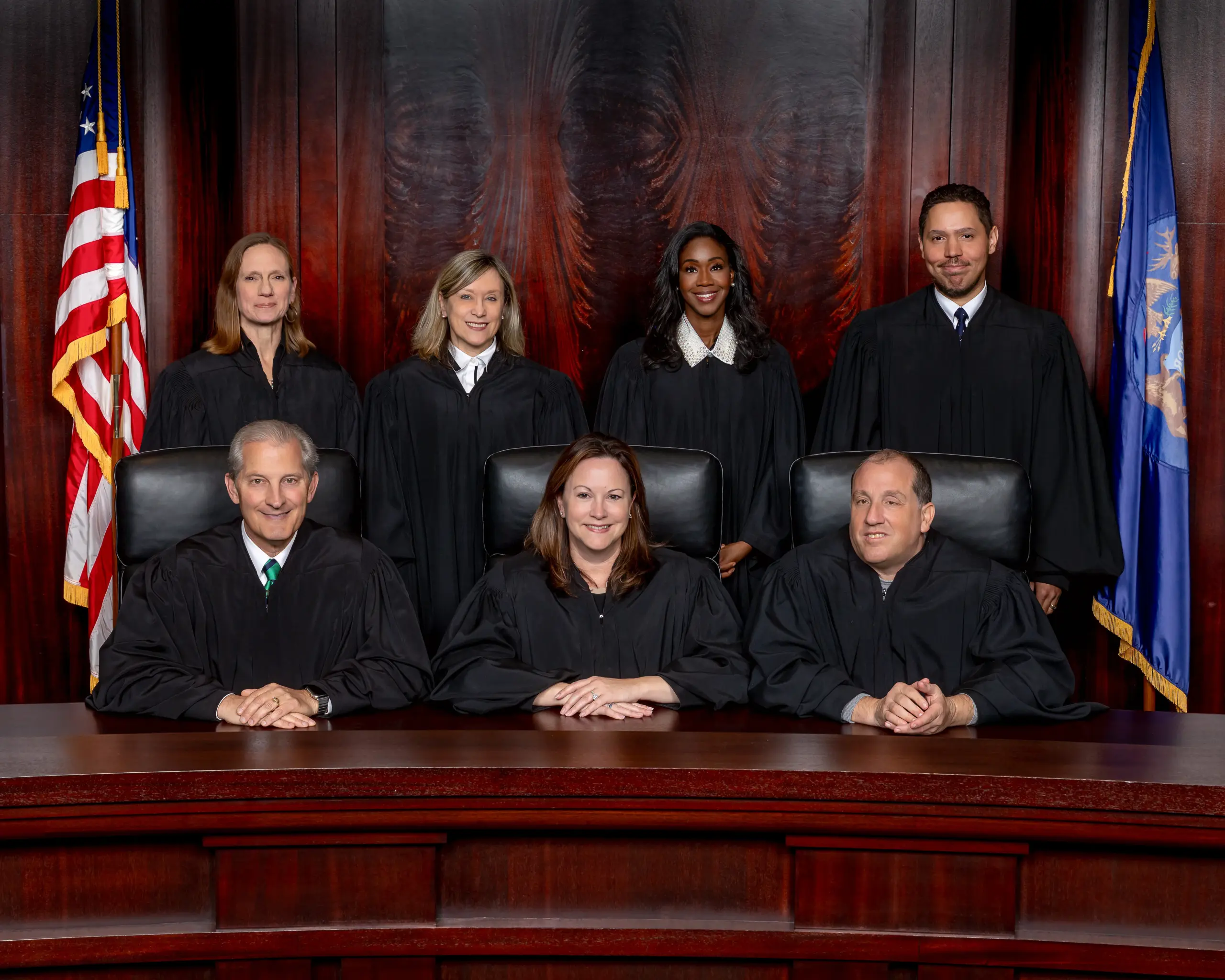
The Supreme Court, comprised of six Democrats and one Republican, is expected to continue collecting comments on an expedited timeline that concludes on Dec. 22.
“The publication process could result in a rule that looks exactly like this or a rule that looks different from this. Or no rule at all,” state court administrator Tom Boyd told Michigan Public. “It’s really just an open ended inquiry.”
Michiganders can submit comments directly on the Michigan Court Rules website, or through email to [email protected].