As the Supreme Court weighs the constitutionality of birthright citizenship, a new poll suggests more than half of voters favor some limits on granting automatic citizenship to people born in the United States.
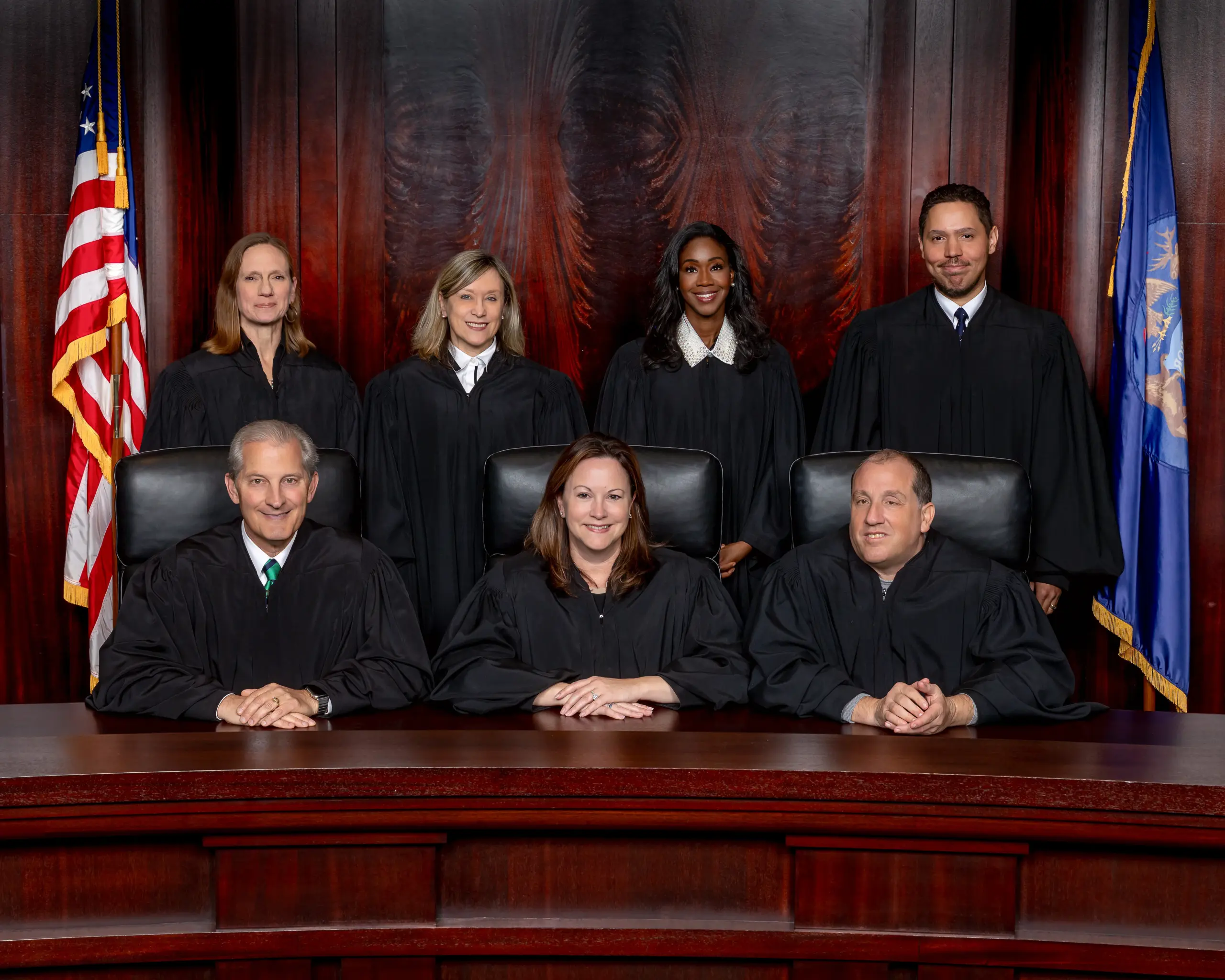
The Supreme Court heard oral arguments in the landmark case, Trump v. Barbara, last week, which challenges President Donald Trump’s efforts to end birthright citizenship—that is, the guarantee of citizenship to virtually everyone born in the United States.
According to the latest Rasmussen Reports survey, 59% of those polled support limiting automatic birthright citizenship to births where at least one parent is a U.S. citizen or legal permanent resident, including 39% who strongly support such limits.
Thirty-four percent (34%) are opposed, including 23% who strongly oppose limiting birthright citizenship.
The high court’s decision on the case, Trump v. Barbara, will determine the constitutionality of President Trump’s Executive Order 14160, titled “Protecting the Meaning and Value of American Citizenship.”
Trump issued the executive order on Jan. 20, 2025, although it never took effect due to legal challenges that landed the case in front of the Supreme Court. The order would bar automatic citizenship for babies born in the United States if their parents are in this country either illegally or temporarily.
The Rasmussen Reports national telephone and online survey of 1,054 U.S. likely voters was conducted on April 1-2 and 5.
Based on the findings, a majority of Americans seem to agree that the government should restrict access to birthright citizenship along the lines of what President Trump has proposed.
His order excludes automatic citizenship for children born to illegal immigrants and to temporary visitors, such as guest-workers.
During Biden’s border crisis, many pregnant illegal migrants showed up at the border to claim asylum, ultimately taxing rural hospitals in southwestern states since they arrived with no money, housing or way to care for a baby.
In addition, the recent flood of undocumented immigrants means more anchor babies that will gain citizenship, creating more complex immigration issues since their parents entered illegally.
It’s similar to the ongoing Deferred Action for Childhood Arrivals debate. The U.S. immigration policy established in 2012 protects eligible undocumented immigrants who came to the U.S. as children from deportation. DACA provides renewable two-year work permits and social security numbers but is not a path to citizenship.
Another point of contention is the rise in so-called “birth tourism,” which has become a popular industry in countries such as China. In those cases, pregnant women pay tens of thousands of dollars to schedule a trip to the U.S. to give birth, granting the child automatic citizenship.
Trump’s executive order would effectively close the “birth tourism” loophole as well, The Washington Times reported.
During last week’s oral arguments, most justices seemed skeptical of Trump’s stance. They cited an 1898 Supreme Court ruling and laws written in the middle of the 20th century that assumed an expansive definition of birthright citizenship that includes nearly every child born here.
The recent Rasmussen poll indicates that voters see problems with the country’s current blanket policy and would like to see limits.
The question asked was: “Birthright citizenship refers to the current policy where any child born in the United States is automatically a U.S. citizen, regardless of whether their parents are legal residents. Do you support or oppose limiting automatic birthright citizenship to births where at least one parent is a U.S. citizen or legal permanent resident?”
Polling on birthright citizenship can vary widely based on how the question is asked, per The Washington Times.
The Pew Research Center, in polling a year ago, said 50% of respondents said they would consider “people born in the U.S. to parents who immigrated illegally” should be considered citizens.
And the Civic Health and Institutions Project, in a survey earlier this year, mixed all noncitizens together in its question, when it found 59% supported the idea that “children of noncitizens born in the U.S. should continue to receive automatic citizenship.”