A multi-year investigation in South Carolina uncovered an alleged drug trafficking pipeline from Mexican cartels to the Charleston area, state authorities said.
The criminal enterprise involved large-scale drug trafficking, gang activity, prostitution and immigration violations at underground night clubs in Charleston, South Carolina, Attorney General Alan Wilson said.
The probe has resulted in more than 200 arrests so far and new indictments against 31 people for a variety of crimes, officials said. The investigation is ongoing and could lead to more charges, Wilson said.
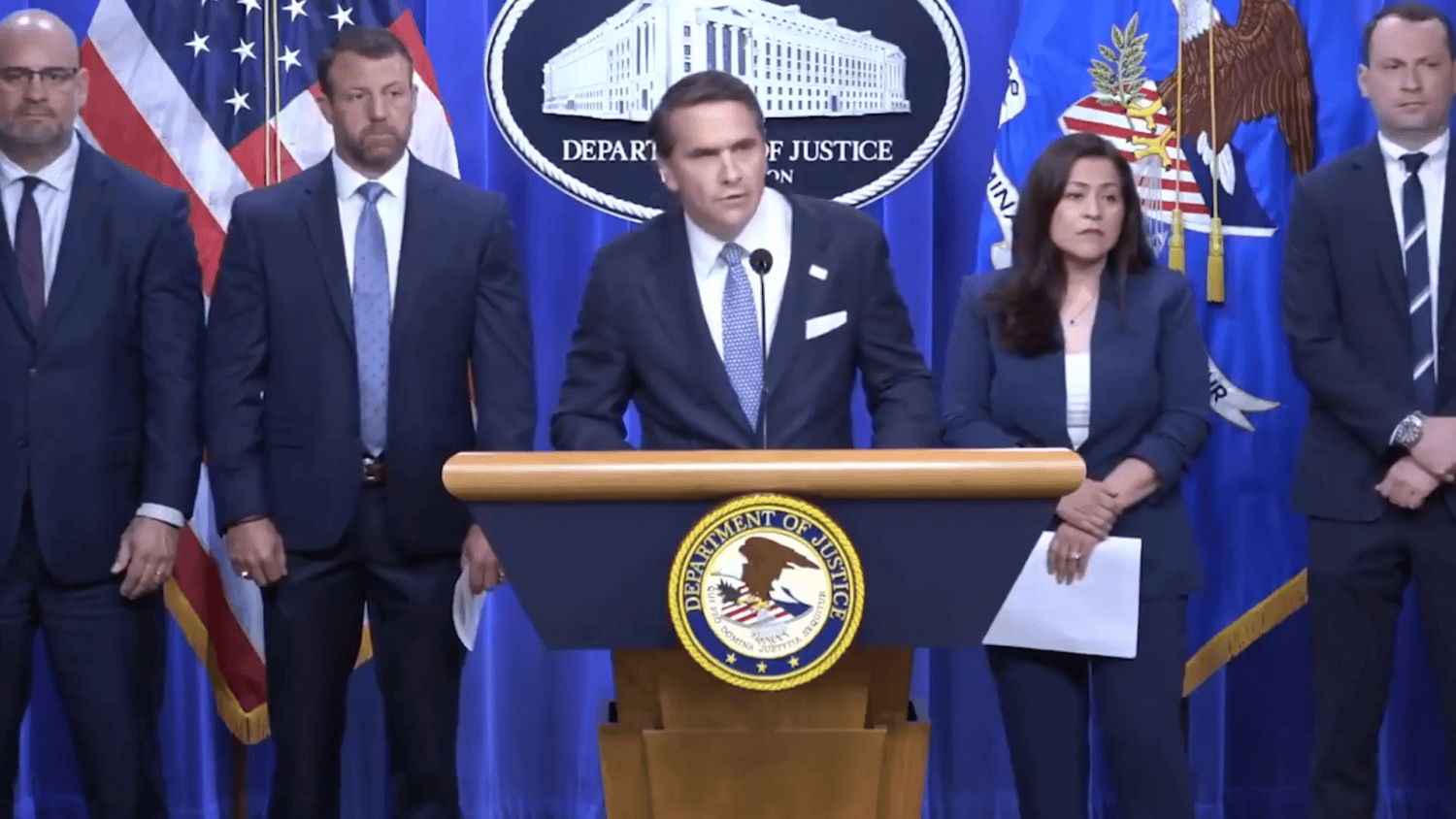
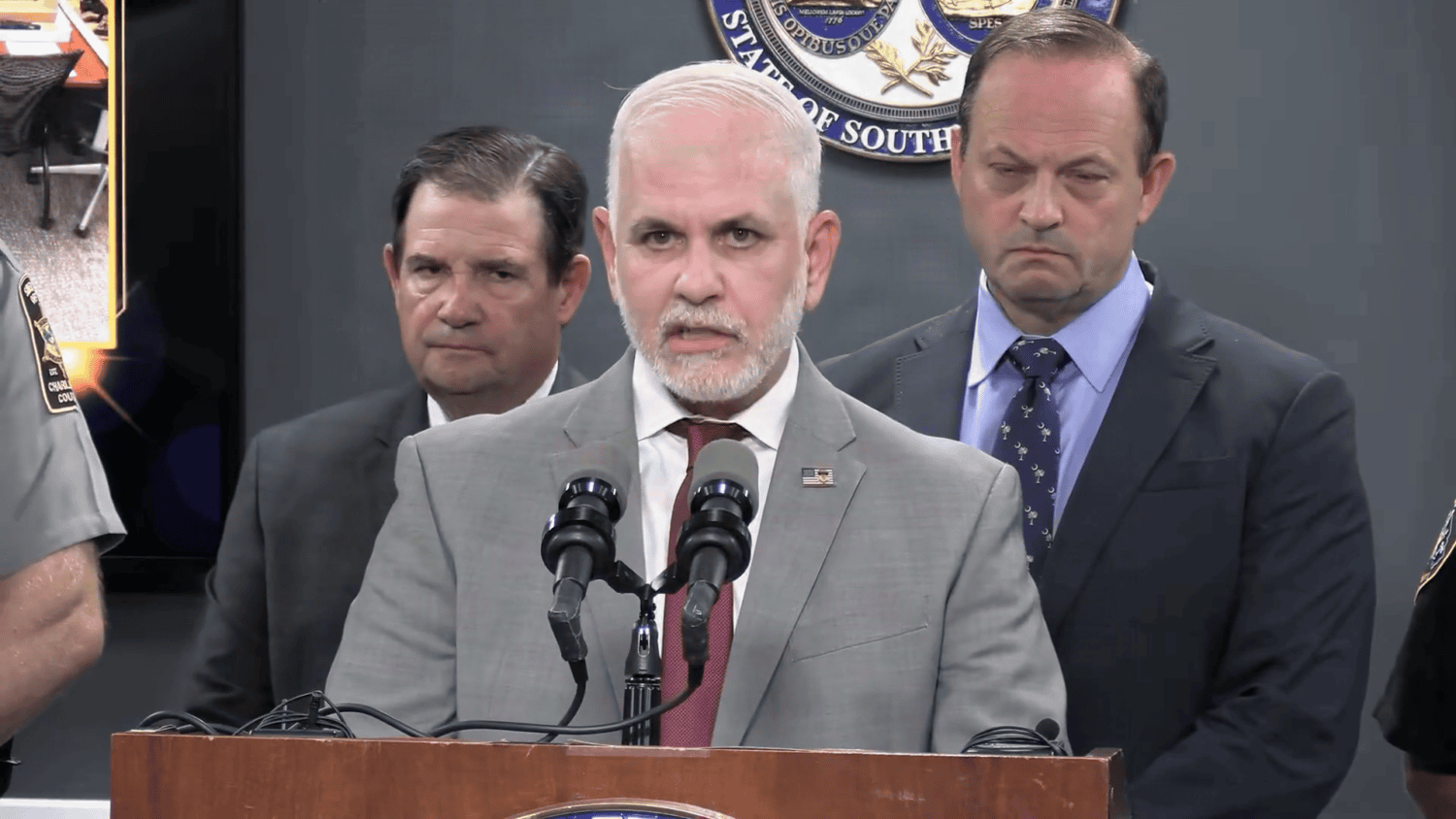
Wilson, joined by state and federal law enforcement partners, announced the state-level grand jury indictments on Monday, Aug. 24. The charges resulted from an investigation known as “Last Stand.”
“This investigation involves not only drug trafficking on a large scale, but also gun smuggling, prostitution, and shootings, with illegally operating businesses and nightclubs often being the epicenter of this criminal activity,” Wilson said.
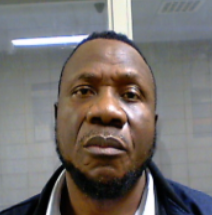
The attorney general unsealed the indictments, including 59 charges against 31 defendants, after a multi-jurisdictional operation took place to arrest those charged, the Attorney General’s office shared in a news release.
The South Carolina Law Enforcement Division, Homeland Security Investigations, the Charleston County Sheriff’s Office and other agencies helped secure the indictments, as well as served arrest warrants to the defendants.
“Narcotics trafficking from Mexican cartels poses a threat to national security, and I commend our partner agencies for doing the difficult and dangerous job of investigating and apprehending alleged gang- and cartel-affiliated individuals,” Wilson said.
Investigators involved in Last Stand tied the criminal activity to unsanctioned nightclubs known for drawing large crowds, including gang members and illegal immigrants.
“Today is the direct result of a multi-year, complex, and thorough investigation by dedicated public servants, committed to making our state safer,” Mark Keel, chief of the State Law Enforcement Division, said. “Families across South Carolina fell victim to these vast illicit networks that put communities across our state at risk.”
Authorities allege the illegal nightclubs became hubs for narcotics trafficking, prostitution and gang violence and brought fear and unrest to the community.
"Our investigation uncovered a network of criminal activity in Charleston and the surrounding region involving members and associates of violent cartels… The organization operated illicit nightclubs that attracted members of violent gangs including Tren de Aragua and MS-13."… https://t.co/b2uGbVQD1I pic.twitter.com/6Xc5V6CDsB
— Homeland Security (@DHSgov) August 25, 2026
“Our investigation uncovered a network of criminal activity in Charleston and the surrounding region involving members and associates of violent cartels,” HSI Special Agent in Charge Mark Zito said during a news conference. “… The organization operated illicit nightclubs that attracted members of violent gangs including Tren de Aragua and MS-13.”
The investigation led to more than 200 arrests for crimes ranging from murder and drug trafficking to weapons offenses and immigration violations, authorities said.
The cartel connection surfaced last year after a raid on a Summerville nightclub called Alamo, Wilson said. Officers arrested 80 people and seized guns, cocaine and cash, Charleston County Sheriff Carl Ritchie said per the South Carolina Daily Gazette.
In February, investigators raided another unlicensed nightclub called La Fogata in North Charleston. Law enforcement arrested 86 people, including 79 administrative arrests of illegal immigrants, WCSC 5 News reported.
Four trafficking victims were identified, and one juvenile was discovered and turned over to relatives, according to Wilson’s office. Dozens of firearms, 45 grams of cocaine, crack cocaine, fentanyl, methamphetamine, and 347 grams of marijuana were seized during the raid.
DRUG TRAFFICKERS CHARGED.
@HSI_Charlotte, alongside South Carolina law enforcement and @SCAttyGenOffice, investigated and arrested 31 traffickers tied to violent cartels.We will stop at nothing to dismantle the terrorist cartels and protect our communities from their poison. pic.twitter.com/TuSLlEQHzU
— Homeland Security (@DHSgov) August 24, 2026
Law enforcement partners then turned to investigating the source of the drugs, Wilson said.
Investigators uncovered “an extensive network of criminal activity tied to several gangs, including Piru Bloods, 18th Street, Tren de Aragua, Rolling 20’s Crips.”
They identified Los Zestas, also known as Cartel de Noreste, and Jalisco New Generation Cartel, as two Mexican drug cartels involved. Both have been designated foreign terrorist organizations under a 2025 executive order signed by President Trump.
Alleged affiliates of the cartels then smuggled the drugs through Texas, Florida and Georgia, officials said.
“This trafficking pipeline was historically responsible for hundreds of kilos of cocaine, methamphetamine, and fentanyl brought from cartel sources in Mexico through southern border states and into South Carolina,” Wilson said.
The case was investigated by the South Carolina State Grand Jury. HSI, SLED, CCSO, several sheriff’s offices, along with other federal, state and local agencies, worked on infiltrating the illegal nightclubs and collecting intel and evidence.
Zito, special agent in charge of HSI Carolinas, said these criminal organizations bring “drugs, guns and violence into our communities, and we’re not going to allow them to operate here unchecked.”
Zito credited the collaboration of federal, state and local partners to bring charges against violent gang members as well as people in the country illegally.
“We identified the people involved, disrupted their operations, and took away their ability to continue doing business as usual,” Zito said. “We’ll keep working with our partners to find and dismantle these criminal networks and hold the people behind them accountable.”