Michigan’s Kent County Sheriff’s Office detectives dismantled a sophisticated operation in late March 2026 in which Venezuelan nationals allegedly posed as third-party Amazon delivery drivers to steal packages straight from the supply chain.
According to authorities, the suspects used fake IDs and multiple aliases to sign up as contractors, picked up parcels at the Amazon fulfillment center on 68th Street SE in Gaines Township, then reported them as missing or simply failed to deliver while keeping the merchandise.
The group operated out of hotels along 28th Street SE in Kentwood and Cascade Township, frequently checking in and renewing rooms under different names. Investigators recovered stolen Amazon packages, vests, fake identification documents, nearly $14,000 in cash, 28 cellphones, and 11 vehicles — many bearing out-of-state plates linked to Texas, Colorado, and Illinois.
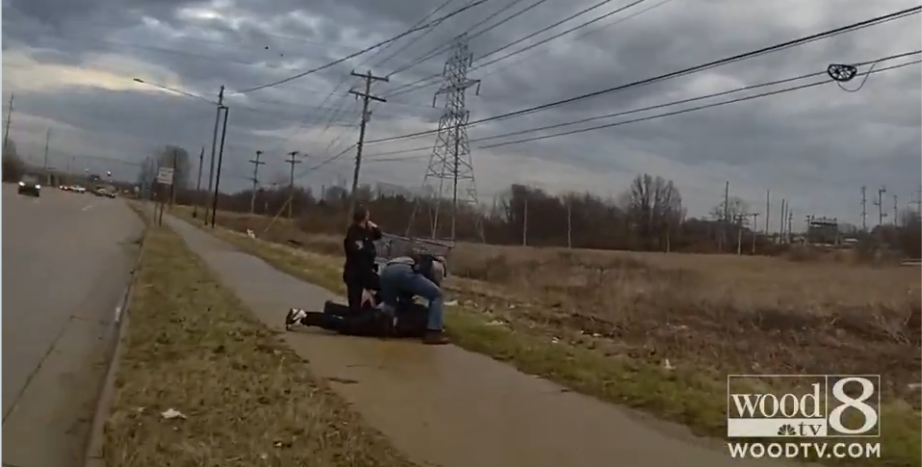
14 people have been jailed in Kent County after authorities say they got jobs as Amazon delivery drivers but did not make the deliveries — instead collecting paychecks and keeping some of the merchandise for themselves. Bodycam video shows a deputy chasing one of the suspects aro pic.twitter.com/JiOTz2sgUY
— WOOD TV8 (@WOODTV) March 31, 2026
Arrests, beginning around March 20, have continued with approximately 14 individuals — mostly Venezuelan nationals ranging in age from 22 to 43 — taken into custody. All faced charges including conducting a criminal enterprise, a 20-year felony in Michigan. Each suspect was lodged in the Kent County Jail with an active ICE detainer. One suspect attempted to flee on foot across 28th Street during an encounter with deputies.
Amazon’s loss prevention team assisted in the probe, which relied on license plate readers, hotel search warrants, and surveillance.
Sheriff’s officials have described the ring as part of a broader pattern of mobile, organized theft groups exploiting gaps in contractor systems and using aliases to evade tracking. Prosecutor Chris Becker emphasized that the use of fake or stolen IDs makes it “virtually impossible to track who exactly was involved in the crimes which were committed.”
“Groups made up of individuals not in the country legally make it even more difficult,” Becker told WoodTV. “If we are not able to apprehend them in the act, they disappear quite easily because on most occasions they are using IDs that are fake, or not their own.”
This Amazon scheme is one of at least three notable criminal enterprises tackled by the Kent County Sheriff’s Office in recent months. Last month, deputies helped unravel a multi-state South American Theft Group – or SATG burglary ring – after a Dec. 2024 break-in at a Cascade Township home owned by immigrant business owners.
The group is reported to have targeted Asian and Middle Eastern immigrant families believed to keep cash and valuables at home, using pre-planning such as online research, routine monitoring, and GPS trackers on vehicles. The ring has been linked to at least 19 burglaries nationwide with losses exceeding $1.6 million. Ten suspects were arrested across multiple states, with several facing federal charges for interstate transportation of stolen property; some have already pleaded guilty or been sentenced.
Earlier, in March 2026, the department also detailed a diesel fuel resale scam. Yasser Pacheco, 44, an illegal immigrant with prior convictions, allegedly used credit card skimmers to steal financial data from business fuel cards. He then purchased thousands of gallons of diesel with modified pickup trucks equipped with large auxiliary tanks and resold it at steep discounts to truck drivers in parking lots, truck stops, and business sites around metro Grand Rapids.
One victimized utility – Kent Power Inc. – lost over $26,000 from the scam. Pacheco faces multiple felonies, including conducting a criminal enterprise, and remains in custody with an ICE detainer after resisting arrest and briefly escaping at the jail.
Undersheriff Bryan Muir and Sgt. Scott Dietrich both emphasized that these cases highlight the growing sophistication of cross-jurisdictional theft operations and the value of partnerships with federal agencies and private companies like Amazon. The Amazon investigation remains active, with potential for additional charges or recoveries as court proceedings continue in 63rd District Court.