The Trump administration’s innovative approach to immigration enforcement includes offering financial incentives for undocumented immigrants to voluntarily leave the United States, a program that has gained traction as an alternative to arrests.
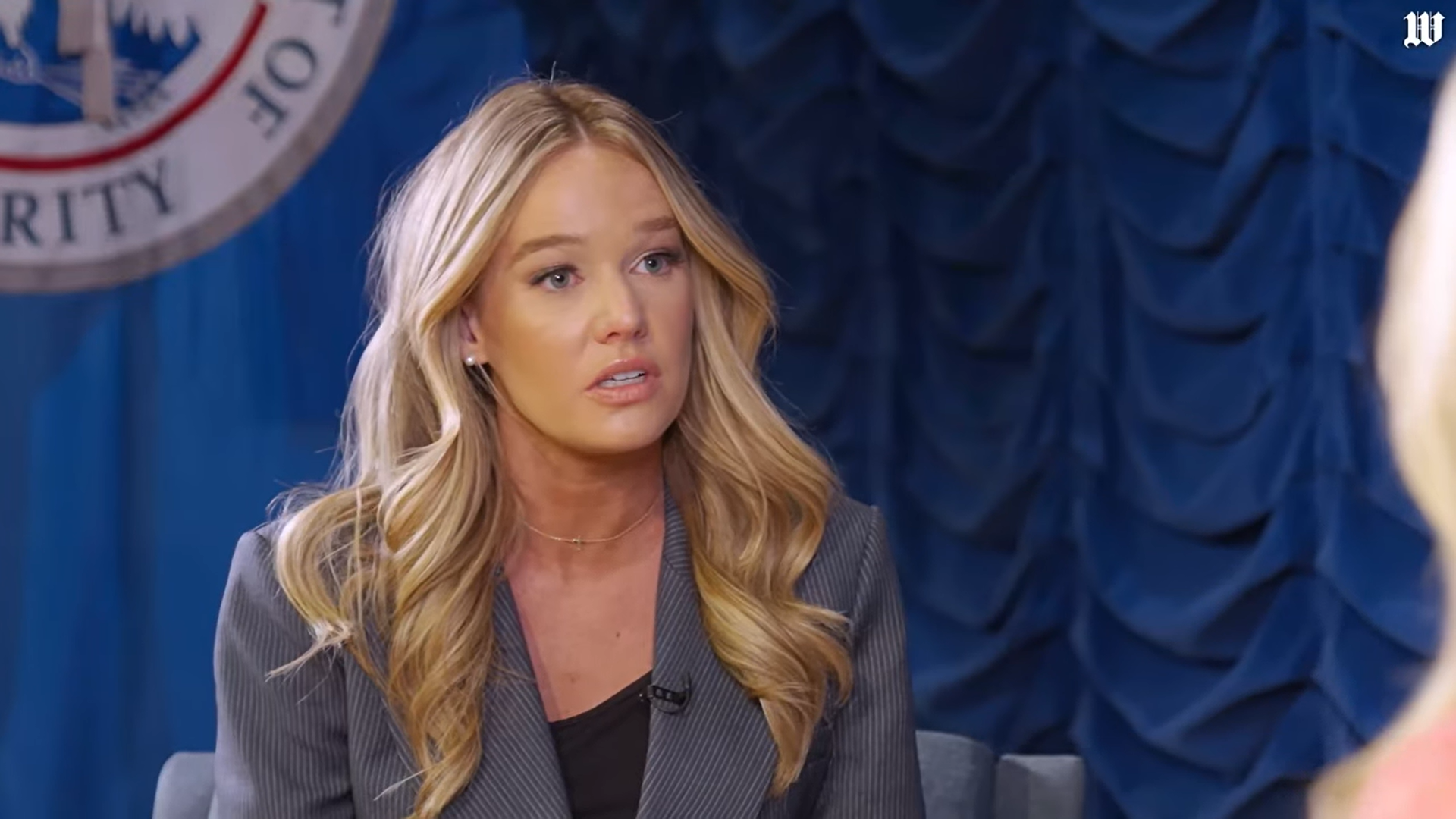
Homeland Security Assistant Secretary Tricia McLaughlin recently detailed the initiative on “The Sitdown With Alex Swoyer” podcast, hosted by The Washington Times. She reported that more than 100,000 individuals have received self-deportation bonuses through the CBP Home app, a mobile tool allowing users to register their intent to depart. Most payments were $1,000, accompanied by free travel arrangements to the person’s home country or a location of lawful status. A temporary holiday surge saw the bonus increase to $3,000 through the end of 2025, spurring higher participation during that period.
The program, part of Project Homecoming launched in May 2025, aims to encourage voluntary departures by providing stipends, waiving certain fines, and facilitating orderly exits. McLaughlin emphasized its cost-effectiveness, stating it represents at least a 70% savings compared to the average $17,000 expense for forcible removal, which involves arrest, detention, and transportation by U.S. Immigration and Customs Enforcement (ICE).
While the voluntary system helps save taxpayer dollars, the personal costs to agents cannot be understated.
McLaughlin highlighted how agents have been doxxed online, with radicals targeting their families and children. Following data leaks and doxxing incidents, reports show a dramatic surge in threats—including more than a 1,000% increase in assaults and attacks on law enforcement officers, alongside an 8,000% rise in death threats.
In addition, McLaughlin says that agents’ families are being targeted by gang members and activists that include threats to children’s schools and spouses’ workplaces.
These threats were said to stem from “malicious rhetoric” by sanctuary city politicians and media, which she says demonizes agents and encourages violent agitators.
While the doxxing has contributed to heightened risks, prompting ICE officers to wear masks during operations for protection against identification and retaliation – especially from gangs like MS-13 or agitators – it’s also led to DHS officials urging self-deportation.
DHS officials promoted the CBP Home app aggressively, especially through the holidays, framing the incentive as a “gift” from taxpayers to encourage self-deportation over forced enforcement. Critics, including immigration attorneys and analysts, have questioned aspects such as the reliability of stipend delivery post-departure and legal guarantees, but DHS maintains payments are only issued upon confirmed return.
The self-deportation bonuses reflect a strategy blending incentives with enforcement pressure to reduce interior removals’ logistical and financial risks.
As enforcement continues, the program’s scale underscores efforts to achieve record departures while prioritizing efficiency and safety.