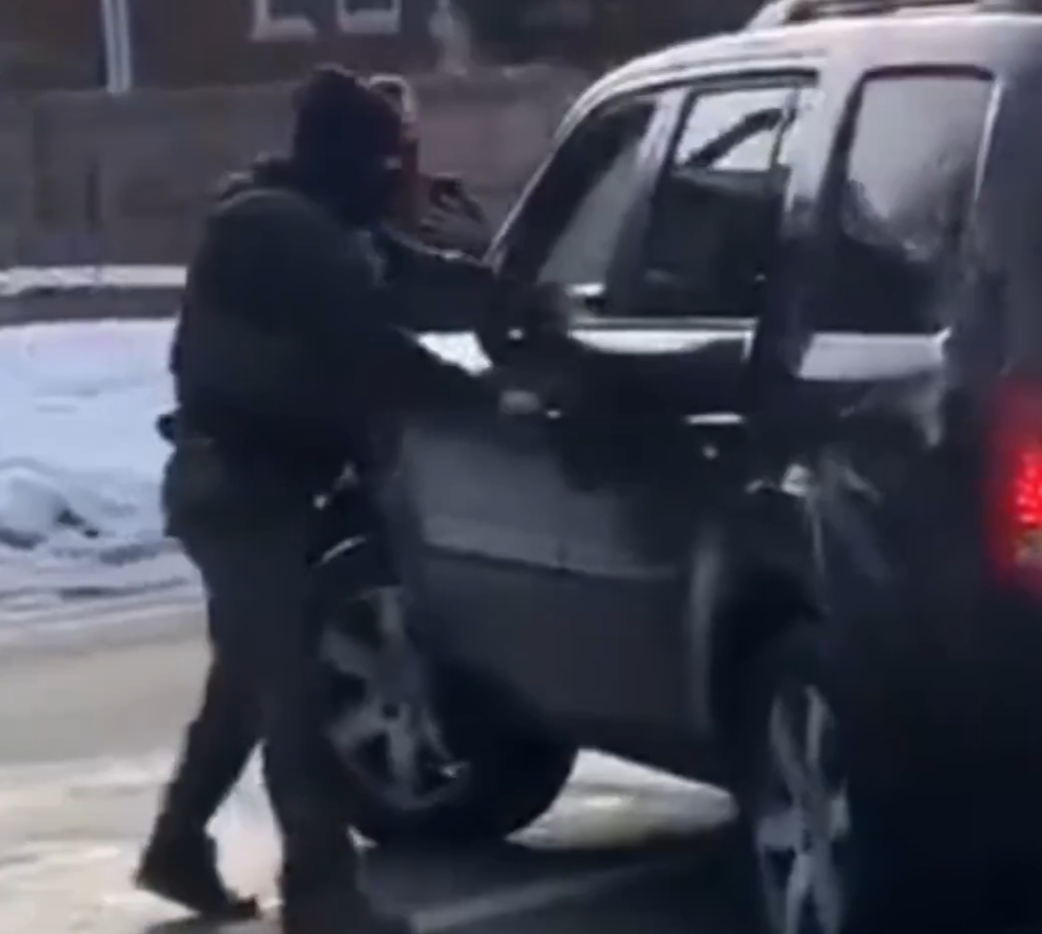
The Department of Homeland Security said Monday it will send hundreds of additional federal law enforcement officers to Minnesota in the coming days, expanding its enforcement presence following the fatal shooting of Renee Nicole Good during an Immigration and Customs Enforcement operation in Minneapolis.
Homeland Security Secretary Kristi Noem said the additional personnel will arrive Sunday and Monday. Speaking on Fox News’ Sunday Morning Futures, Noem said the deployment is intended to allow federal officers to continue operations safely amid heightened tensions.
“We’re sending more officers today and tomorrow,” Noem said. “They’ll arrive, there’ll be hundreds more in order to allow our ICE and our Border Patrol individuals that are working in Minneapolis to do so safely.” She added that individuals who engage in violent conduct against law enforcement or interfere with federal operations would face criminal consequences.
The announcement follows several days of protests in the Twin Cities after Good was shot during an ICE enforcement action. Demonstrations have taken place across Minneapolis, including outside the regional ICE headquarters at the Whipple Building at Fort Snelling.
Federal officials have not disclosed the exact number of additional agents being deployed or how the new arrivals will affect the total federal law enforcement presence in the metro area. In December, the Trump administration launched Operation Metro Surge, sending more than 100 federal agents into the Twin Cities.
In January, DHS initiated a separate 30-day enforcement surge that brought approximately 1,500 ICE officers and 600 Homeland Security investigators into Minnesota, focusing in part on large-scale fraud investigations. Fox News reported Friday that U.S. Border Patrol was also preparing to deploy up to 1,000 agents to Minneapolis. DHS has not confirmed whether those agents are included in the additional personnel referenced by Noem.
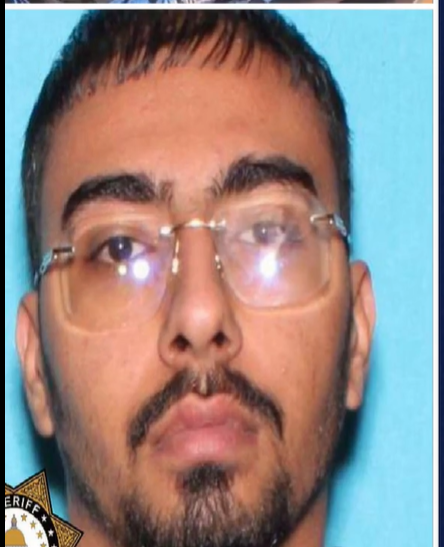
Federal officials have defended the expanded enforcement posture by pointing to arrests made during recent operations. DHS has highlighted those cases on a public-facing webpage describing what the agency calls the “worst of the worst” offenders arrested in Minnesota, including individuals charged with violent crimes, sexual offenses involving children, and alleged gang activity, including suspected ties to Tren de Aragua.
DHS said the increased deployment reflects its position that federal immigration enforcement operations will continue despite public opposition and that officer safety remains a priority as investigations related to the Minneapolis shooting remain ongoing.