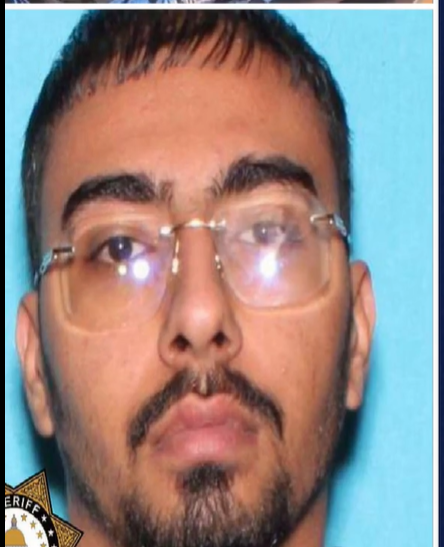
Texas authorities apprehended a special interest alien from Pakistan near the U.S.-Mexico border in South Texas this week, highlighting ongoing concerns about border security amid Operation Lone Star 2.0. The Texas Department of Public Safety Brush Team, assisted by a tracking K-9 and in coordination with U.S. Border Patrol, took the individual into custody on March 12 near Roma in Starr County, DPS officials announced.
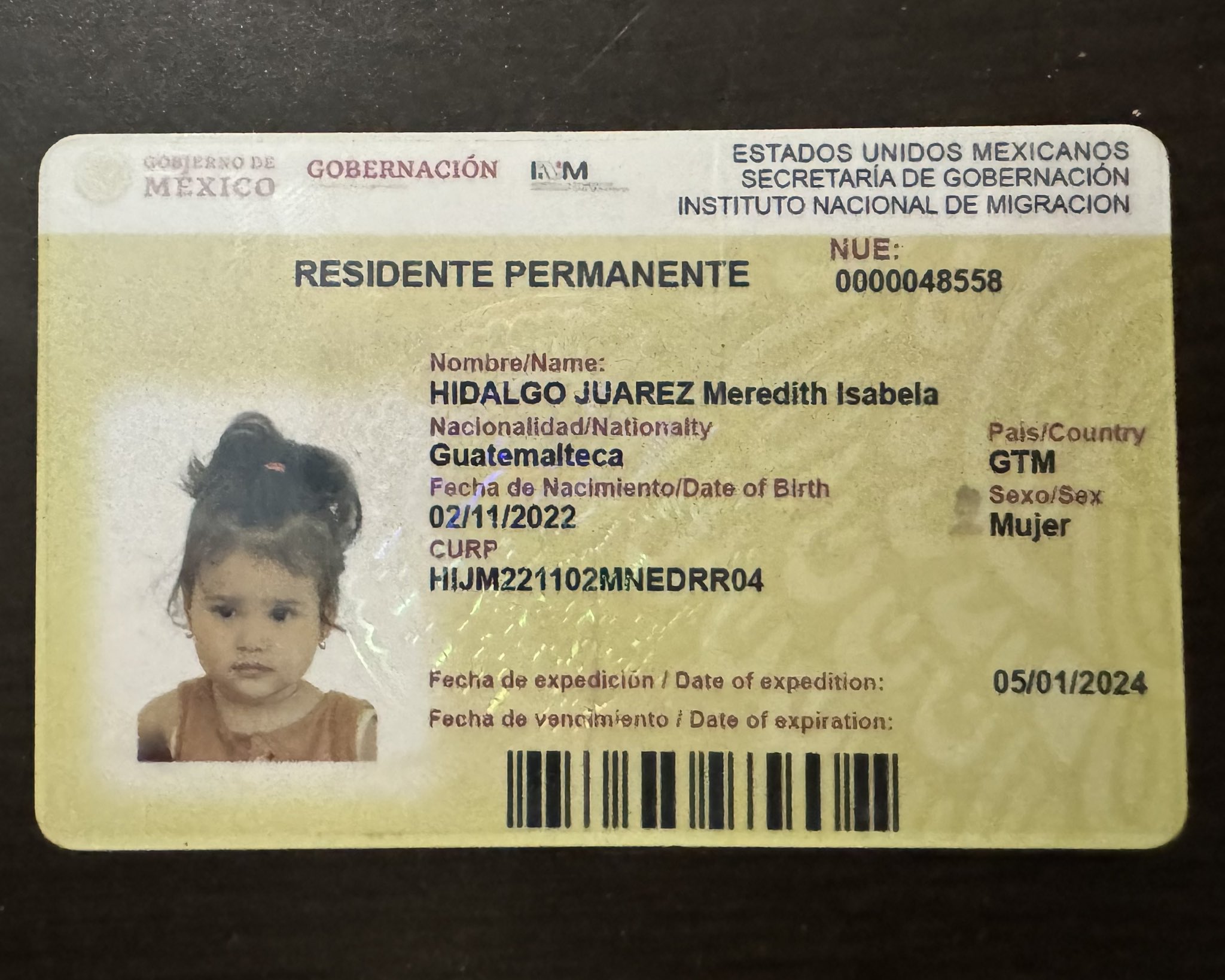
This is a major national security issue , I just confirmed with @LtChrisOlivarez that the special interest alien apprehended yesterday in Starr County , the Pakistan national was issued a ‘permanent resident’ ID by the Mexican government , begs the question , why are Mexican… https://t.co/93DmobGt0W pic.twitter.com/kq91AEldKl
— Jorge Ventura Media (@VenturaReport) March 14, 2026
Lt. Chris Olivarez, spokesperson for the DPS South Texas Region, described the encounter as part of efforts to detect, track and prevent potential gotaways under Operation Lone Star 2.0, the state’s enhanced border security initiative.
Special interest aliens, or SIAs, are individuals from countries designated by the Department of Homeland Security as presenting potential national security risks due to terrorism concerns or other factors. The designation does not imply the person is a terrorist but triggers additional screening protocols.
This is a major national security issue , I just confirmed with @LtChrisOlivarez that the special interest alien apprehended yesterday in Starr County , the Pakistan national was issued a ‘permanent resident’ ID by the Mexican government , begs the question , why are Mexican… https://t.co/93DmobGt0W pic.twitter.com/kq91AEldKl
— Jorge Ventura Media (@VenturaReport) March 14, 2026
In a follow-up confirmation to journalist Jorge Ventura, Lt. Olivarez said the Pakistani national possessed a permanent resident identification card issued by the Mexican government. The detail has prompted questions about how non-Mexican nationals from designated countries could obtain such documentation.
While no immediate details have been released about the individual’s background, travel history or intentions by federal agencies, the apprehension aligns with heightened enforcement actions and national security concerns.
According to the Los Angeles Times, federal authorities detected mysterious encoded radio broadcasts immediately following the Feb. 28 death of Iran’s supreme leader. Federal authorities warned LAPD that the broadcast possibly contained an encoded sequence that could be “an operational trigger” for “sleeper assets” on U.S. soil. The FBI has also confirmed that it’s currently investigating a Texas attack from earlier this month in connection to Iranian-backed terrorism, according to the BBC.
While on the frontlines of the CA/Mexico border, @JarrodSadulski & I came across countless discarded passports, driver's licenses & voter IDs. We initially wondered why so many were left behind—some valid, many forged—often burned, torn, or buried. As we dug deeper, we uncovered… pic.twitter.com/XidybDQO1q
— Ali Hopper (@ali_hopper) September 5, 2024
Discarded identification documents along migrant caravan routes, coupled with sophisticated ID theft rings, have complicated both vetting and enforcement actions. As a result, DHS began implementing the use of digital fingerprinting and facial recognition software in 2025—attempting to build a biometric database of individuals entering the country. The system – created to bypass sophisticated document forgeries for the purpose of verifying deportees with arrest warrants – now faces lawsuits over privacy concerns.
During a press conference on March 9, President Donald Trump confirmed to reporters that Iran – known as the largest funder of terrorism worldwide – has not only activated sleeper cells but the administration’s efforts to address such concerns are also being impeded by the Democrat-led shutdown of the Department of Homeland Security.